

Article Summary
● The Custodian of the Two Holy Mosques Scholarship Program lists prominent UK universities, including Oxford, Cambridge and LSE. The Saudi Ministry of Education’s country page lists 50 UK universities, but eligibility depends on the pathway, subject, degree level and application year, not the name or the total alone.
● Choose based on subject strengths, location, living expenses, and research, internship and employment opportunities, rather than overall rankings alone.
● IELTS Academic requirements vary by university and course and may include minimum scores for individual skills. Check additional language requirements for the chosen scholarship pathway where applicable.
● Verify the university, subject and degree eligibility for your pathway before checking admission requirements. Al Rowad and Imdad require a final, direct unconditional offer under their rules. Most new scholarship applications go through Qubool, with listed exceptions on Safeer.
Britain has many universities available under the Custodian of the Two Holy Mosques Scholarship Program. However, eligibility is not determined by the institution’s name alone. You must check the scholarship pathway, subject, qualification level and application year before relying on any university list.
For general details of the requirements, pathways and procedures for studying in the United Kingdom on a scholarship, see the Saudi scholarship guide to the UK.
From globally elite universities such as Cambridge and LSE, to research-intensive institutions in Manchester and Edinburgh and potentially more affordable options in Lancaster and Sheffield, the UK offers a wide range of choices.
Choosing the right university involves more than its global ranking. Consider the strength of your particular degree program, the location and cost of living, and opportunities for research and employment.
This guide profiles leading UK universities for Saudi scholarship applicants by city, explains how to find the right university for your subject, discusses admission and IELTS requirements and sets out how to apply to universities directly.
After all, the choice you make today will shape your academic and professional path for years to come.
Best UK Universities for Saudi Scholarships
There is no single list suitable for every applicant. The Saudi Ministry of Education determines eligibility according to the pathway, subject and qualification. Use the universities below as a starting point, then verify that your particular institution and course qualify under your intended pathway before applying.
The Ministry also publishes a 2026–2027 subject-based university list guide, covering the Al Rowad, Research and Development, and Imdad pathways. Consult it for an initial comparison, and confirm the current pathway rules and admission requirements before submitting an application.
To understand the difference between a scholarship-approved institution and a generally recommended university, consult the guide to approved scholarship universities.
Below are notable institutions organized geographically. Later sections explain how to narrow the options according to your field and qualifications.
Scholarship universities in London (the largest concentration of listed institutions):
Imperial College London

Imperial College London is a globally recognized research university specializing in science, technology, engineering and medicine.
It holds high positions in areas such as chemical, electrical and mechanical engineering. Competition for entry is intense, requiring strong academic results and IELTS scores typically in the 6.5–7.0 range.
University College London

University College London is one of the world’s long-established research universities, offering a broad range of degree programs across nearly all fields.
It is especially strong in medicine, architecture, law and the social sciences.
UCL enrolls more than 40,000 students from 150 countries and is known for its research laboratories and international institutional partnerships.
Its IELTS requirements commonly range from 6.5 to 7.5 depending on the program.
King’s College London
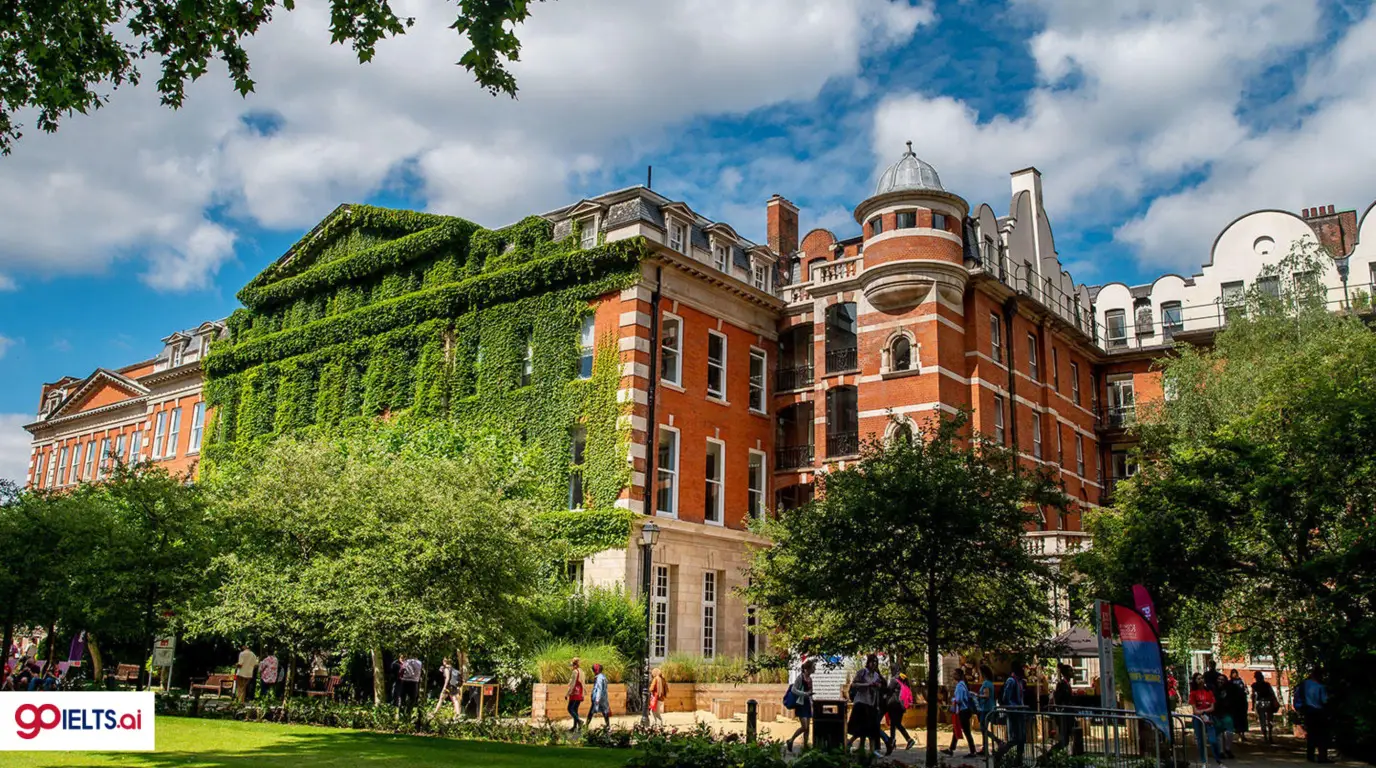
Founded in 1829, King’s College London is a leading research university known for medicine, dentistry, law and the humanities.
It operates several teaching hospitals in London, giving students valuable opportunities for clinical training.
Undergraduate programs generally require IELTS scores in the 6.5–7.0 range.
London School of Economics
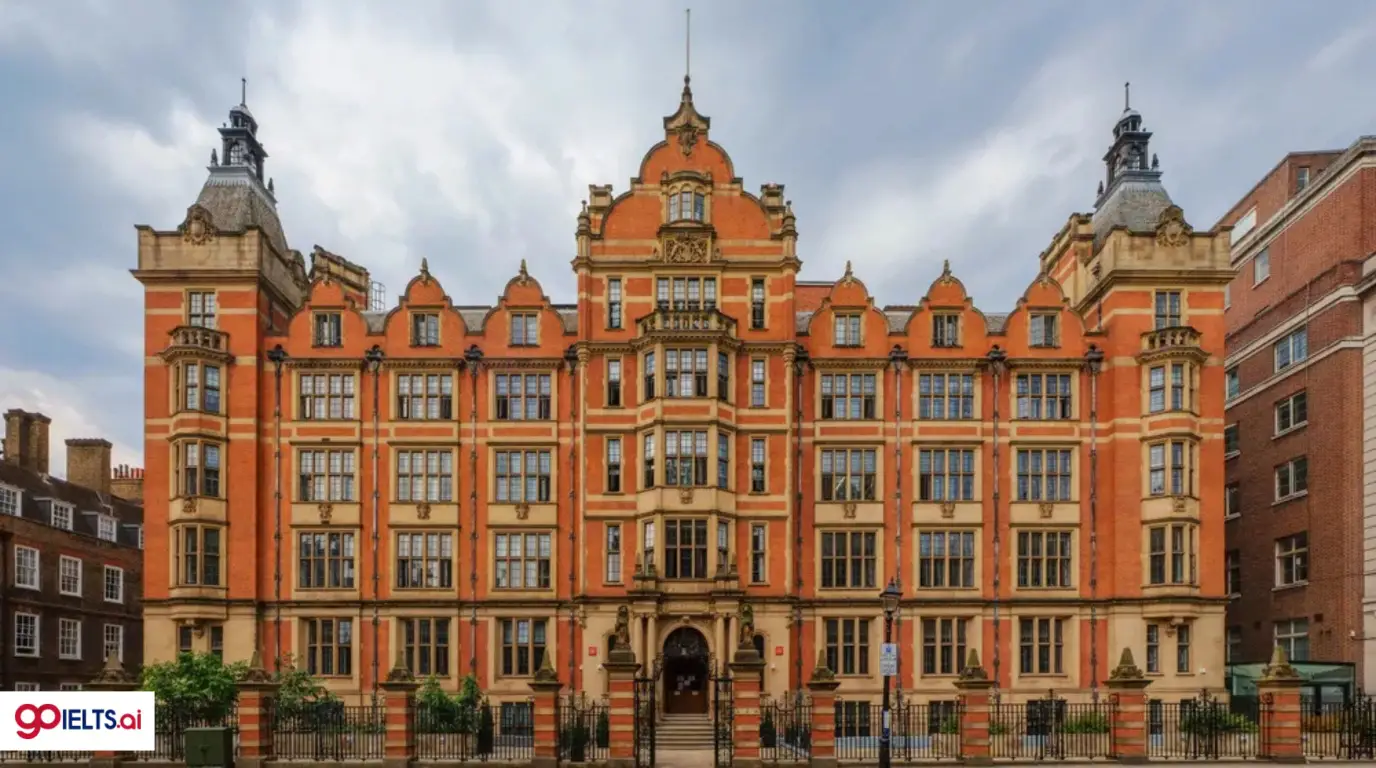
London School of Economics is a globally leading institution in the social sciences, particularly economics, international relations, law, politics and accounting.
Its alumni include 19 Nobel Prize winners and 55 heads of state.
LSE has a compact campus in central London near Parliament. Admissions are highly competitive, and most courses require at least 7.0 in IELTS Academic.
Queen Mary University of London

Queen Mary University of London belongs to the Russell Group and is particularly known for medicine, dentistry and law.
It has a respected medical school and teaching hospitals in East London and is also strong in engineering and linguistics.
Students come from more than 170 nationalities. Living costs in the Mile End area may be lower than in central London.
IELTS Academic requirements are commonly 6.0–7.0, depending on the course.
City St George’s, University of London

City St George’s, University of London specializes in areas including business, law, journalism and engineering.
Its Bayes Business School is recognized among the leading European business schools, with strong professional partnerships and student training opportunities.
Read the guide to bachelor’s scholarship application and admission requirements.
Leading UK Scholarship Universities in Oxford and Cambridge
University of Oxford

The University of Oxford is the oldest university in the English-speaking world, with teaching recorded before 1096. It ranks at or near the top of several international league tables.
Its distinctive collegiate system, comprising 44 colleges, supports a strong academic environment across many subjects, particularly medicine, law, philosophy and the sciences.
Admissions are exceptionally competitive, with demanding interviews, outstanding academic grades and IELTS Academic scores commonly between 7.0 and 7.5.
University of Cambridge
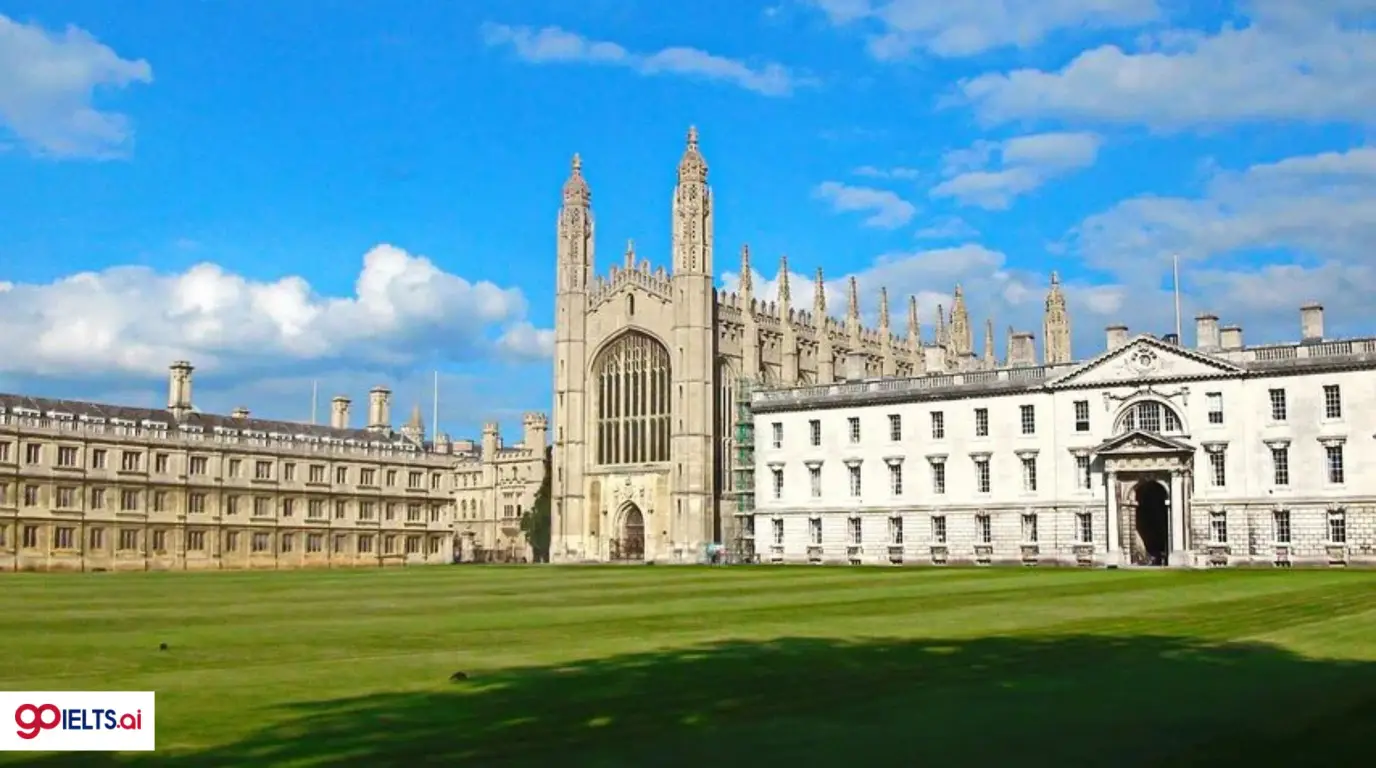
The University of Cambridge is Oxford’s historic rival and one of the world’s oldest universities.
Founded in 1209, it comprises 31 independent colleges.
Cambridge is associated with 121 Nobel Prize winners, more than any other university.
It is especially strong in science, engineering, mathematics and medicine. Its supervision system provides personalized small-group instruction.
Admission calls for exceptional academic achievement and in-depth interviews.
Scholarship Universities in Manchester
University of Manchester
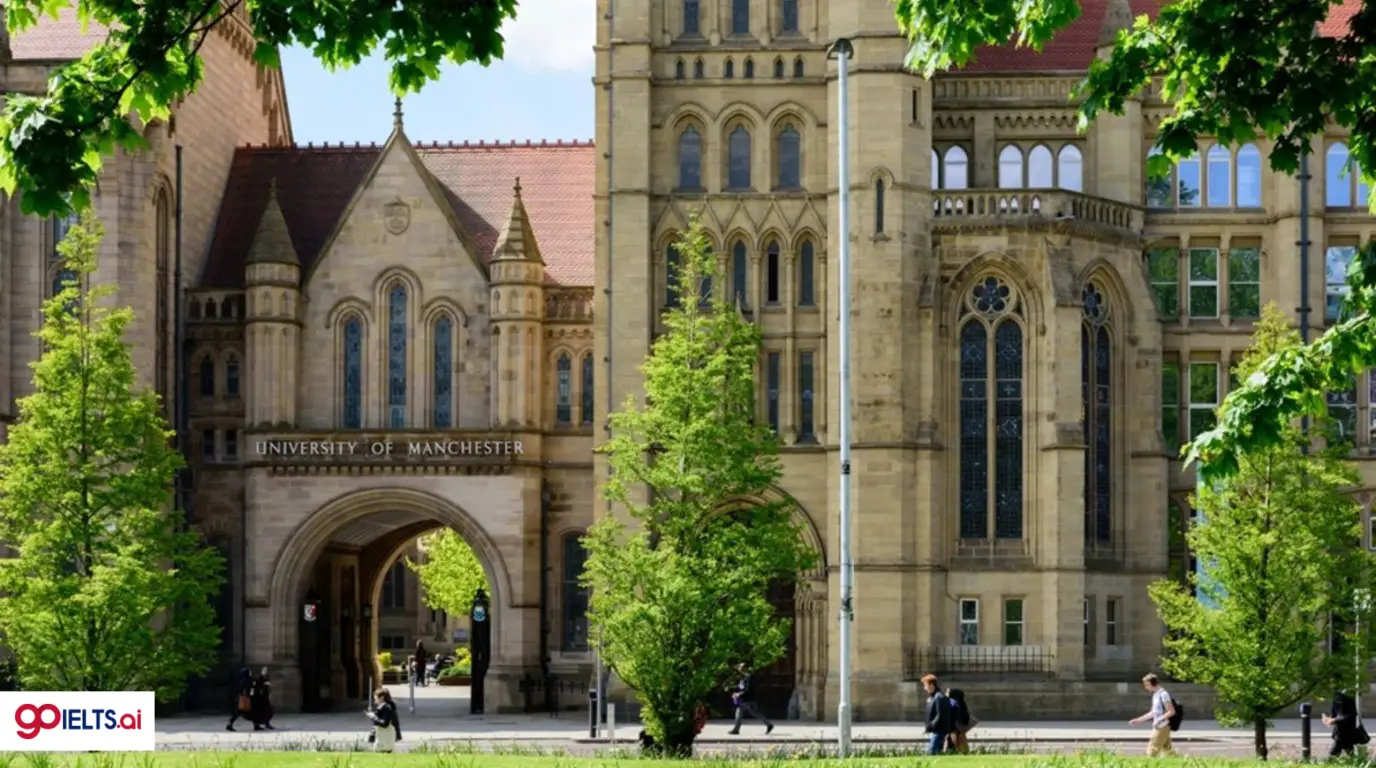
The University of Manchester is the largest research university in northern England, with more than 40,000 students, and was a founding member of the Russell Group.
It has particular strengths in engineering, chemistry, computer science and business.
Scholarship Universities in Edinburgh

University of Edinburgh
The University of Edinburgh is one of Scotland’s oldest and most prominent universities, founded in 1582.
It is recognized for medicine, biological sciences, engineering and law.
It holds a strong global ranking, often among the top 20–30 universities.
Admission requirements usually include IELTS scores of 6.5–7.0 depending on the field.
See also the guide to studying in Scotland on a scholarship.
Heriot-Watt University

Heriot-Watt University is known for engineering, applied sciences and business.
Its particular strengths include petroleum engineering, mechanical engineering and computer science.
It has close links with industry, particularly in the energy sector, and some undergraduate courses offer an optional industrial placement year.
It is an appealing choice for students interested in applied engineering disciplines.
Scholarship Universities in Birmingham
University of Birmingham
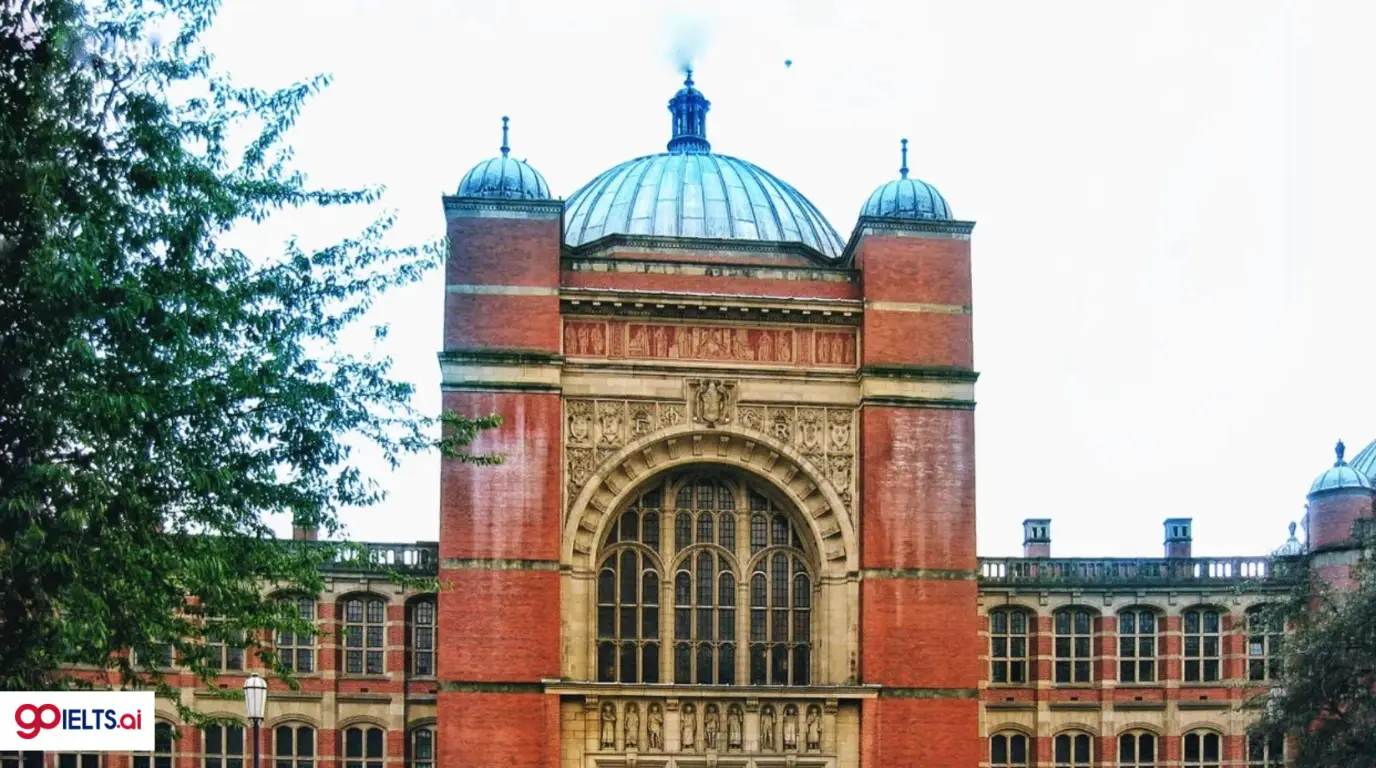
The University of Birmingham is a founding member of the Russell Group and is regarded as a leading UK university for scholarship applicants.
It is strong in medicine, engineering, business and law, and offers extensive research programs that can make it particularly attractive for students pursuing a master’s degree.
Aston University

Aston University is a relatively modern institution specializing in engineering, business and health sciences.
Known for its practical courses and high graduate employment rates, it can be a good choice for students focused on a direct career pathway.
Aston Business School holds triple international accreditation from AACSB, AMBA and EQUIS.
Leading UK Scholarship Universities in Other Approved Cities
Durham University

Durham University, established in 1832, is England’s third-oldest university and is strong in the humanities, law, business and sciences.
It expects high academic attainment and has relatively reasonable estimated living costs of £750–£900 per month.
University of Warwick

The University of Warwick is a comparatively young research institution but consistently ranks among the UK’s leading ten universities.
It excels in business, economics, engineering and mathematics, and its Warwick Business School is considered one of the top five economics schools in Britain.
It has substantial industry partnerships and training opportunities that contribute to strong graduate employment outcomes.
Newcastle University
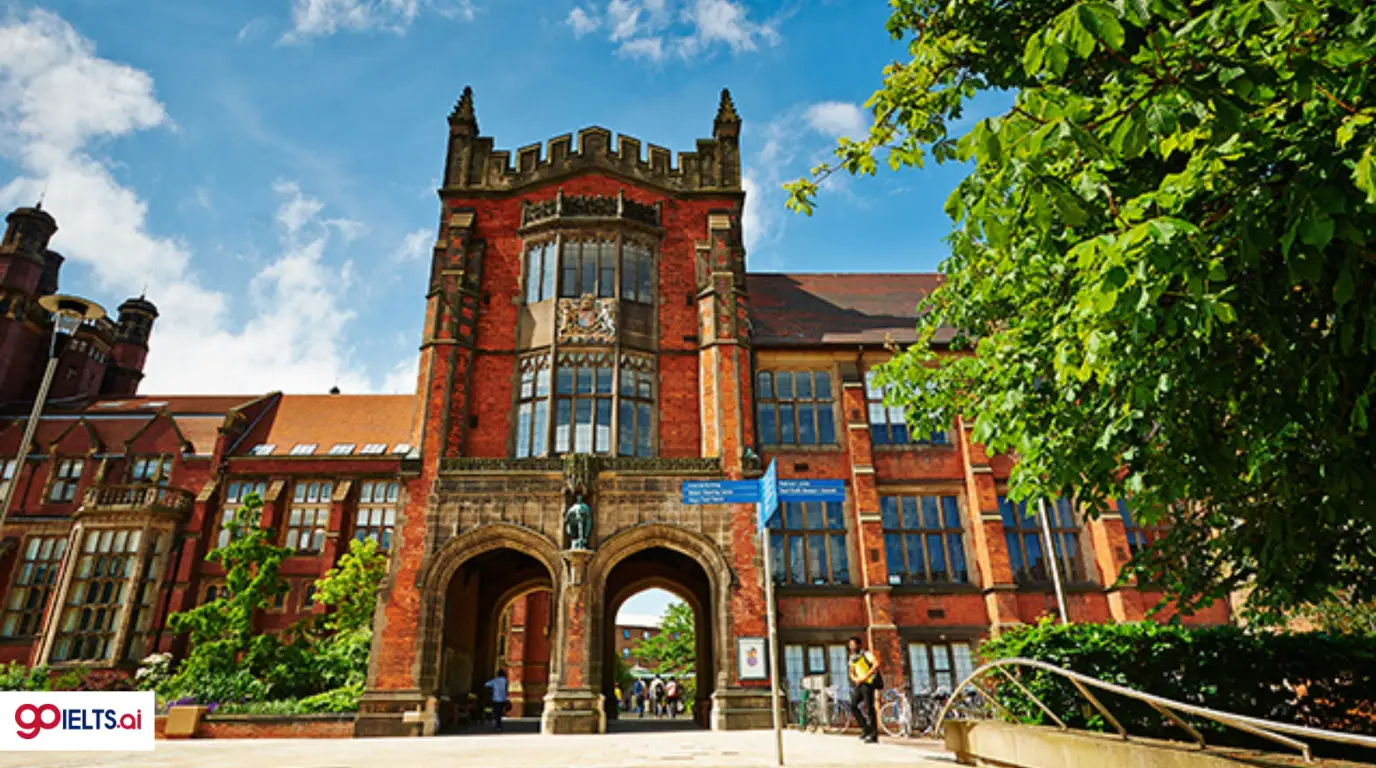
Newcastle University is a leading UK research institution and member of the Russell Group. It is ranked 137th globally in the QS rankings for 2026.
Located in northeast England, it offers medicine, science and engineering. Compare course-specific admission requirements, subjects and qualifications rather than an overall acceptance rate; review the university’s housing and living-cost figures for your target academic year.
Cardiff University

Cardiff University, in Wales, is a prominent option for scholarship applicants and a Russell Group member.
It is strong in medicine, engineering, journalism and architecture.
Its journalism and media school is considered one of the leading schools in the UK.
Living costs in Cardiff can be lower than in major English cities, with this guide citing £750–£950 per month, while the university is known for research in medical and engineering fields.
University of Bristol

The University of Bristol is one of the notable UK universities for scholarship applicants and a leading Russell Group institution.
It is known for engineering, law, medicine and the sciences and has been ranked among the top 60 universities worldwide.
Its research is particularly strong in aerospace engineering and biological sciences. This guide gives indicative monthly living costs of £850–£1,050.
Find out about the scholarship requirements after secondary school.
Universities in the UK with Potentially More Affordable Living Costs
Lancaster University
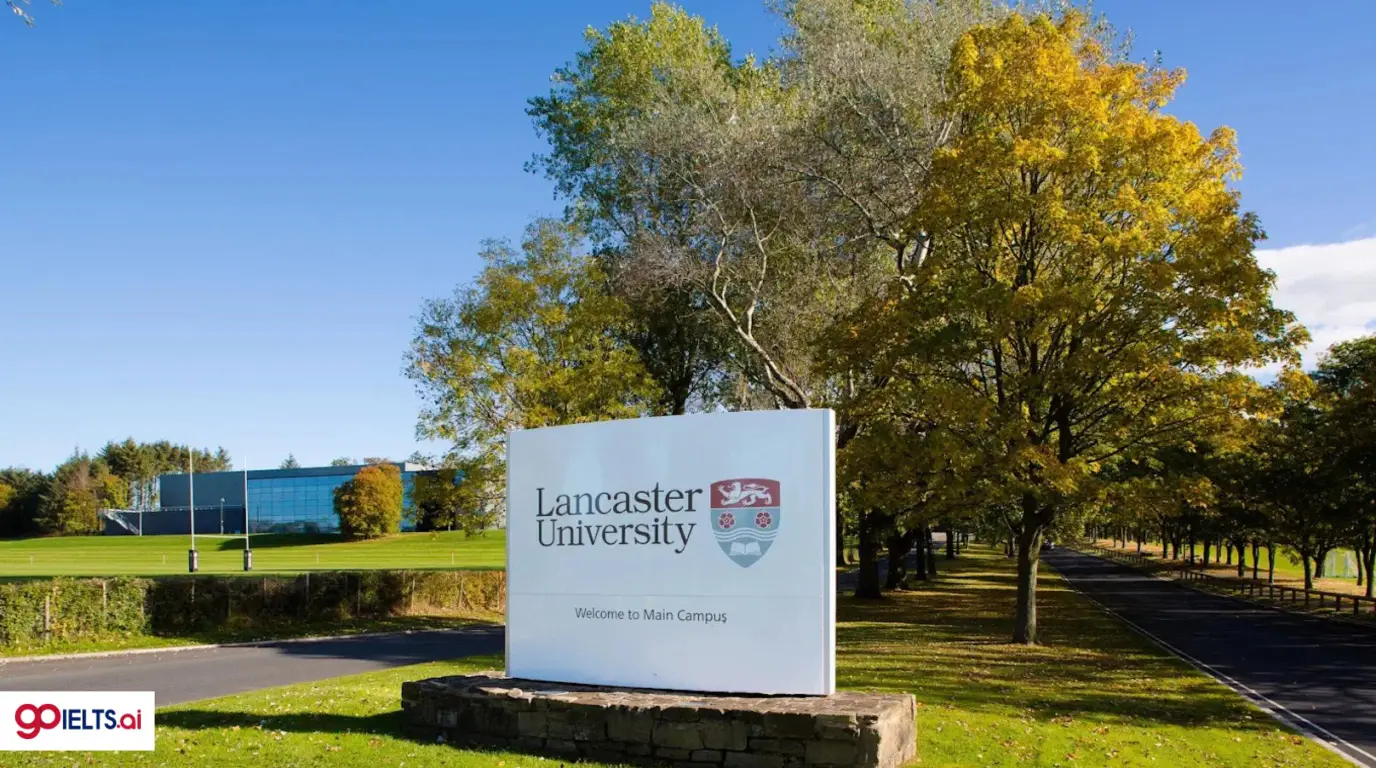
Lancaster University is a research university in northwest England. Accommodation may cost less than in larger cities, but actual living costs vary by residence and spending habits. Check the university’s published housing and living-cost estimates for the relevant academic year.
Lancaster frequently ranks among the top ten UK universities in the 2026 Complete University Guide and among the top 150 universities internationally.
It has a distinctive college system with eight undergraduate colleges and one postgraduate college.
University of Sheffield
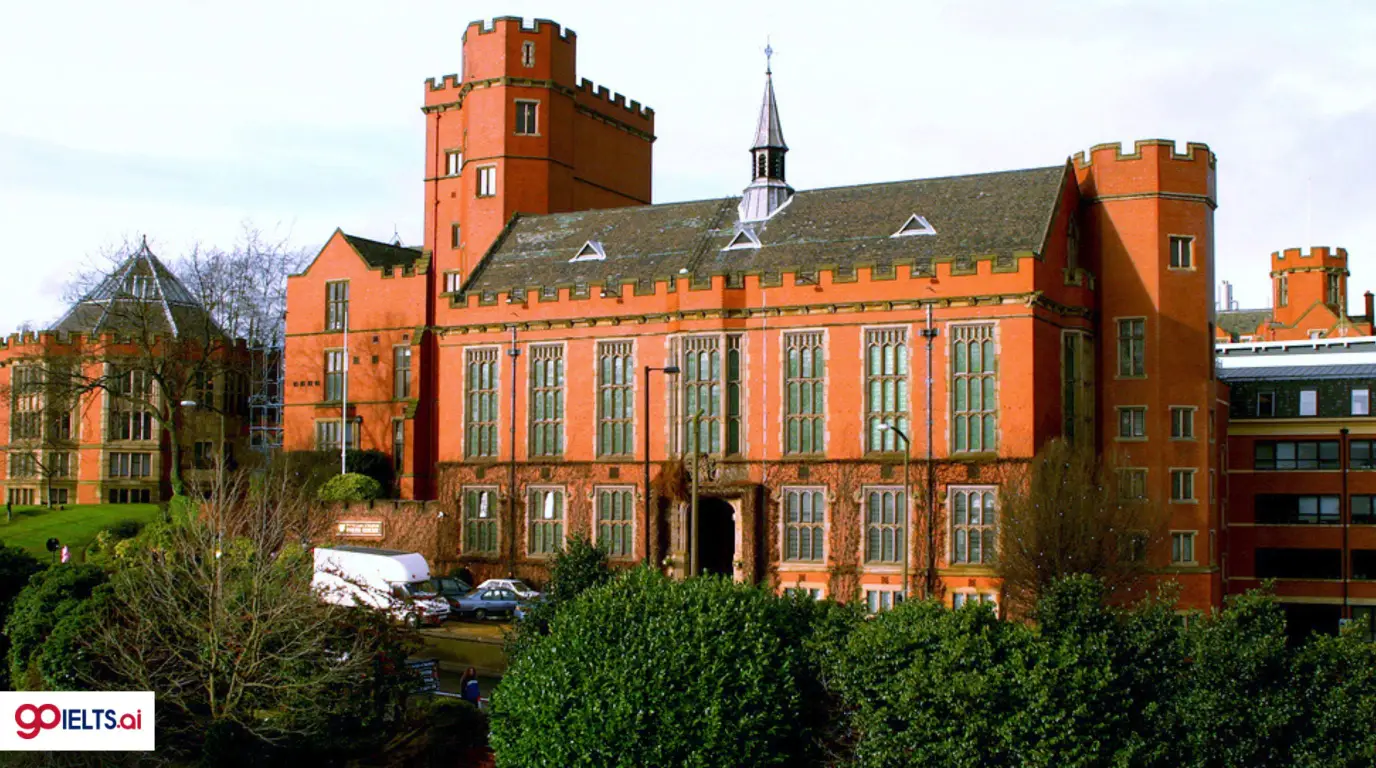
The University of Sheffield is a respected public research university in the city of Sheffield, where living costs are relatively low, with estimates in this guide of £700–£850 per month.
It is listed among the world’s leading 100 universities, with a QS ranking of 75 in 2026, and is a member of the Russell Group.
Its research is especially strong in materials and mechanical engineering.
Learn more about the best universities for Saudi scholarships.
University of Nottingham

The University of Nottingham is a well-established public research university with strengths in engineering, pharmacy and law.
As a Russell Group university, it holds strong international rankings and provides an international environment for more than 44,000 students.
The city offers relatively manageable estimated living costs of £750–£900 per month.
Swansea University

Swansea University is a modern institution in a coastal Welsh city, where living costs are described as among the lowest in Britain, at an estimated £600–£750 per month.
It is strong in engineering, medicine and the sciences, with advanced research in mechanical engineering and medicine.
University of Aberdeen
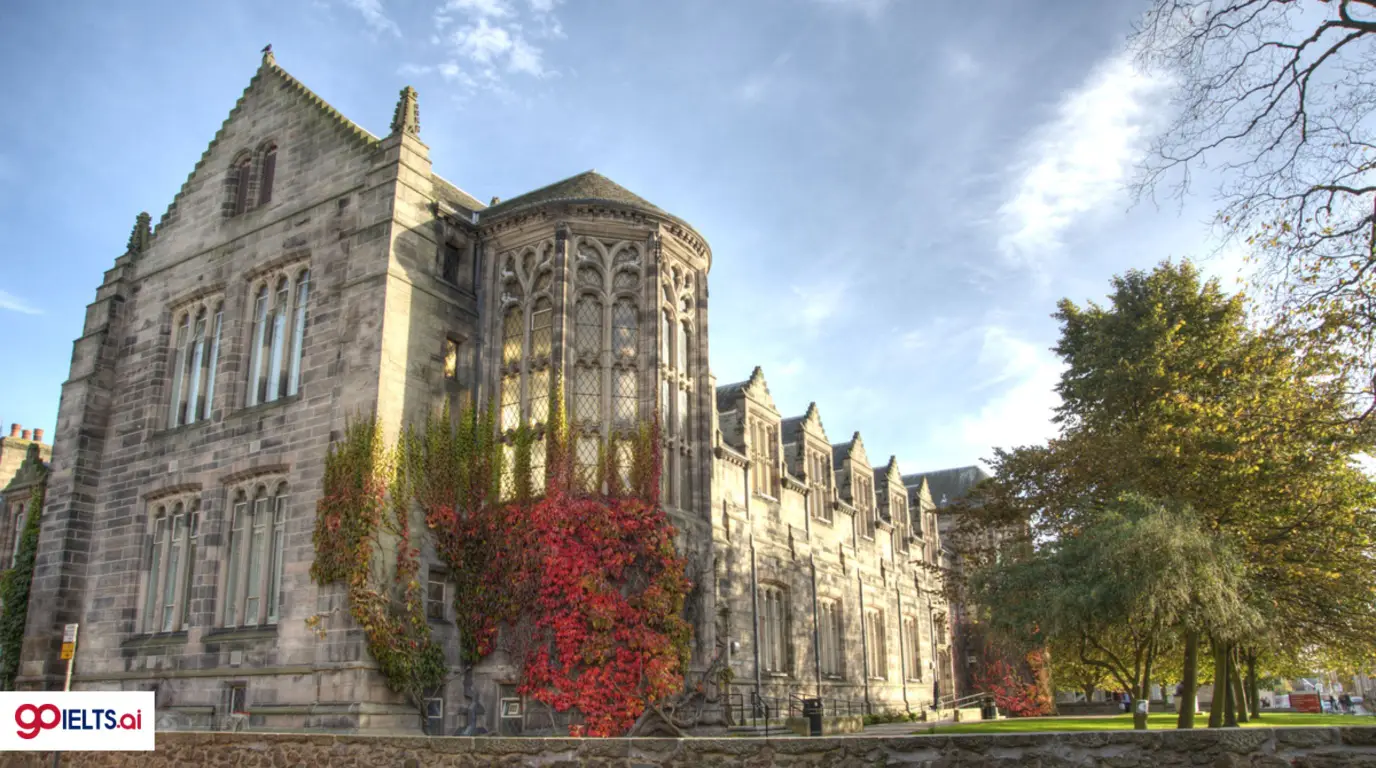
The University of Aberdeen is a long-established public research university founded in 1495 in Scotland, described in this guide as among the UK’s top 20 universities.
Located in Aberdeen, it offers relatively affordable estimated living costs of £650–£800 per month.
Its strengths include petroleum engineering, medicine and law; proximity to North Sea oil fields supports its expertise in energy-related disciplines.
Read also about scholarships in Ireland.
Is the Saudi Secondary School Certificate Sufficient for Direct Entry to UK Universities?
A university’s inclusion in an eligible scholarship pathway does not automatically mean that the Saudi secondary school qualification (Tawjihiyah/GSEC) is sufficient for direct entry to the first year of an undergraduate degree.
For example, the University of Oxford does not currently accept the Saudi secondary school qualification alone as a direct undergraduate entry qualification. UCL also states that the local qualification alone is not accepted for direct entry, offering alternatives such as A Levels, the IB, accepted foundation courses or other routes depending on the applicant. The University of Manchester generally expects Saudi secondary school graduates to complete an approved foundation pathway before undergraduate study. The University of Cambridge likewise recommends further study, since Tawjihiyah alone is not considered sufficiently competitive.
If you are applying after secondary school, check two separate questions before choosing a university:
- Are the university, subject and degree eligible for your intended scholarship pathway?
- Does your Saudi academic qualification satisfy the admission criteria of the specific university program?
Scholarship rules effective from the 2025–2026 academic year for a bachelor’s preparatory year require a secondary school average of at least 90% and IELTS of at least 5.5 or its equivalent for the preparatory year.
For more information for recent school graduates, consult the scholarship requirements after secondary school.
What Type of IELTS Certificate Do UK Universities Require?
UK university degree admission usually requires IELTS Academic or another English language test accepted by the institution. IELTS General Training is generally not the normal requirement for degree programs.
Do not assume that an overall IELTS score of 6.5 or 7.0 applies to every course. English language thresholds vary by university and by individual program, and some universities set separate minima for Reading, Writing, Listening and Speaking. For example, UCL offers several English language requirement levels for 2026–2027, from IELTS Academic 6.5 overall at Level 1 to 8.0 overall at Level 5.
Check the course page you intend to apply to first. Then consult the guide to IELTS scores required for Saudi scholarships to distinguish the university’s language requirement from your scholarship pathway’s rules.
To identify the right test type, see the differences between IELTS General Training and Academic.
When Might You Need IELTS for UKVI Instead of Standard IELTS Academic?
Applying for a UK Student Visa does not automatically mean that you must take IELTS for UKVI. When studying for a degree or higher qualification with an eligible higher education provider, the university may, in certain cases, assess your English proficiency itself and record that it has been satisfied as part of its admissions and visa arrangements.
IELTS for UKVI (Academic) or another approved Secure English Language Test (SELT) may be required for certain pathways, including some foundation or pre-sessional programs or where the university explicitly requires a UKVI-approved test.
Check two requirements before booking your test:
- The accepted test types on your program’s English Language Requirements page.
- Visa-related language conditions applicable to your offer and Confirmation of Acceptance for Studies (CAS).
- Begin by identifying the score your particular program requires, including any minimum for each skill.
- Use an IELTS practice test to assess your current performance and identify the skills needing the most practice.
- For Writing, understand the assessment criteria and correct repeated errors instead of memorizing sample answers.
- For Speaking, practice organizing answers, fluency and pronunciation, then review weaknesses after each attempt.
- GoIELTS provides IELTS practice and mock tests with evaluations and feedback to help you direct your study time to weaker skills.
- Most importantly, read the English Language Requirements on your university’s course page and the visa requirements associated with your specific admission offer before booking a test.
How Can GoIELTS Help You Prepare for the IELTS Score Required by UK Universities?
- Start by confirming the IELTS score your UK university expects and any minimum required in each skill.
- Assess your present level instead of guessing by taking an IELTS mock test to identify what you need to improve.
- For Writing, understand the assessment criteria and fix recurring mistakes rather than memorizing model answers.
- For Speaking, practice answer structure, fluency and pronunciation and review your weaknesses after every attempt.
- GoIELTS offers IELTS practice tests, exam simulation, assessments and feedback that help you prioritize weaker skills.
If you are applying to a UK university and need to improve your IELTS result efficiently, sign up for GoIELTS and take a free mock test to discover your real level and the gap you need to close.
Learn how to take an IELTS level assessment test.
How to Choose a UK Scholarship University for Your Subject and Pathway
Choosing a suitable scholarship university in London requires careful consideration of the academic quality of your program, the university’s overall and subject-specific rankings, costs and official eligibility.
Here are the steps to choosing the right university in London for your subject:
1. Check Subject Rankings Rather Than Only Overall Rankings
A university’s overall ranking is important but should not be the only consideration. An institution ranked 40th globally could rank 10th in the world for your particular subject.
For example, Lancaster University may not feature among the world’s top 20 institutions overall, but it is particularly strong in business administration and accounting. For these subjects, it may be a better choice than a university with a higher overall ranking but a weaker relevant department.
To verify subject-specific university rankings:
- Use QS by Subject or Times Higher Education by Subject.
- Look up your specific subject rather than relying on the university’s aggregate position.
- Review departmental websites to evaluate faculty members and published research.
2. Match the University, Subject and Degree to Your Scholarship Pathway
Do not stop at checking whether the university appears on a list. Review current pathway rules and confirm the institution, subject and degree level all qualify in your application year.
For example, the Al Rowad and Imdad pathways require a final, direct unconditional admission offer from an institution on the applicable pathway list, subject to all other program conditions. Inclusion in a university list or ranking does not itself guarantee scholarship approval.
The matching criteria differ by scholarship pathway. Al Rowad is tied to specified institutions on its pathway list; Imdad to institutions and fields aligned with labor-market needs; Research and Development to approved research-field lists; and Waed to particular programs and partnerships whose rules and deadlines may differ by announcement. A university can therefore qualify for one pathway but not another even if it appears on a general UK list. Review the Al Rowad pathway and Imdad pathway guides before comparing choices.
For an explanation of approval and verification procedures, consult the approved scholarship universities guide.
3. Evaluate the Strength and Content of the Academic Program
Visit the university department’s website and check the following:
- Does the curriculum emphasize theory or practical applications?
- Does the program offer hands-on training or an industrial placement year?
- What laboratories and technologies are available to students?
- Are there partnerships with companies and research organizations?
Practical tip: Read the course’s module descriptions to ensure it covers your academic interests.
4. Compare the Location and Living Costs
Living costs vary with the city, housing type and spending habits. Current British Council/Study UK estimates suggest an international student without dependants may need approximately £1,300–£1,400 per month in London and £900–£1,300 elsewhere in the UK for rent, bills, food and other expenses.
Use these figures only as an initial budgeting guide. Check the university’s own cost-of-living estimates for your chosen city, because accommodation is often the largest source of difference between students.
Do not confuse projected living expenses with the funds you must demonstrate to meet UK visa financial requirements. UK Visas and Immigration sets the latter separately and can change them through immigration policy.
5. Check the Course’s Requirements, Not Just the University-Wide Criteria
Once you have chosen a university, open the exact program page and verify:
- Which Saudi school or degree qualifications are accepted.
- Any school subjects or previous bachelor’s modules required.
- The IELTS score and any minimum score for individual language skills.
- Subject-specific admissions tests, interviews or portfolios.
- Whether a final offer will meet the requirements of your intended scholarship pathway.
For the Saudi program’s own rules without repeating them here, consult scholarships to the UK and their application requirements.
How Can You Tell How Difficult Admission to a UK University Is?
Do not rely solely on a university’s overall acceptance rate to estimate your chances. An overall figure may combine different courses, qualification levels and applicant groups, while the actual competition depends on your specific program.
For example, suppose a university receives 1,000 applications, issues 300 offers and enrolls 120 students. The ratio of offers to applications (30%) is different from the ratio of enrolled students to applications (12%). Neither figure predicts your chances in medicine or engineering unless the data relates to the same program, group and year. These are hypothetical illustrative figures, not figures from a particular university.
To evaluate admission competitiveness in practice:
- Read the specific course requirements and confirm that you meet the minimum academic qualifications and subject conditions.
- Check any Saudi country-specific qualifications, especially for undergraduate admission.
- Review required admissions tests, interviews and portfolios.
- Compare your actual grades with those demanded by the course, rather than the university average.
- For medicine and dentistry, research the admission tests and deadlines early because these programs have particularly competitive and distinct procedures.
When relying on a university’s published admissions figures, verify whether the data represents applications, offers or enrollments, and identify the program and year before comparing institutions.
Find out about leading US universities for scholarships.
How Do You Begin Applying to Approved UK Universities?
University admission comes before the formal scholarship application:
First: Undergraduate Applications Through UCAS
Most undergraduate degree programs in the UK use UCAS, where an applicant may select up to five course choices.
For entry in 2027:
- The usual early deadline for Oxford, Cambridge and most medicine, dentistry and veterinary medicine/science programs was 15 October 2026 at 18:00 UK time and had already passed at the time of this guide’s update. Check your course on UCAS for options after the main deadlines.
- The equal consideration deadline for most other undergraduate programs is 13 January 2027 at 18:00 UK time.
- The UCAS application fee for the 2027 cycle is £34.50, covering up to five choices.
- Since the 2026 entry cycle, the personal statement consists of three separate questions. Each answer must contain at least 350 characters, and the three answers together may contain up to 4,000 characters.
Always check the deadline for your exact course on UCAS before submitting, since some programs have different dates.
Second: Master’s and Doctoral Applications
Most postgraduate programs accept direct applications through the university website. Required documents differ by course and may include a CV, statement of purpose, recommendation letters, academic certificates, transcripts, proof of English language proficiency and other supporting documents.
Doctoral applications may require a Research Proposal or contact with a prospective supervisor before applying. However, the proposal length, number of recommendations and contact method are not uniform across all universities, so check the specific department’s rules.
For Saudi scholarship rules at this level, consult the master’s scholarship requirements.
Third: Understanding UK University Admission Offers
After applying, you may receive one of two types of offer:
- Conditional Offer: You still need to satisfy requirements, such as your final school grades or IELTS score. If you apply before obtaining IELTS, an offer may be conditional. Such offers may have a limited validity period, for example six to twelve months.
- Unconditional Offer: A final acceptance without additional academic or language conditions. This is the type required when applying under the Saudi scholarship pathways discussed here. Keep an official PDF copy of the offer.
Fourth: Submit the Scholarship Application Through the Current Platform
After obtaining an offer consistent with the scholarship pathway’s requirements, use the current Saudi Ministry of Education service to apply for the Custodian of the Two Holy Mosques Scholarship Program. At the time of this guide’s update, most new pathway applications are submitted through Qubool, while Safeer continues to handle existing applications and certain pathways announced as exceptions.
When entering Qubool, check your personal details, complete any necessary English language and international examination information, start your application and follow the stated requirements.
For the complete scholarship process after selecting a university, see scholarships to Britain.
Fifth: After Scholarship Approval
- Visa: Apply for a Student Visa via the official UK government website, pay the relevant fees and arrange biometric registration.
- Travel and starting your studies: Follow the instructions accompanying your scholarship decision on travel arrangements, opening your file and registering your arrival with the cultural mission, then complete any enrollment and payment-related procedures required by your scholarship authority.
Read the one-month IELTS study plan.
Conclusion
Choosing the right institution from the list of UK universities eligible for scholarships is an important step toward academic success. Rankings matter, but a course’s strength in your subject, the city and opportunities for research are equally important.
Begin academic and language preparation early. Obtaining your target IELTS score may require several attempts, so do not leave it until the last moment.
GoIELTS helps students practice IELTS skills through mock tests, exam-like simulations and performance reports that identify weaknesses. Practice-test results and estimated scores remain study aids, not substitutes for official IELTS scores issued after an approved examination.
Prepare with confidence and begin your journey toward studying at one of Britain’s distinguished universities.
Frequently Asked Questions
The Saudi Ministry of Education’s country list shows 50 universities in the United Kingdom. This is a general list, not a guarantee that every subject or degree qualifies in every scholarship pathway. Check the official UK university list and the specific pathway for your application year.
Oxford and Cambridge appear in the United Kingdom country list published by the Custodian of the Two Holy Mosques Scholarship Program. However, subject and degree eligibility depends on the pathway and its approved institutions. Russell Group membership does not automatically make every course eligible.
There is no universal IELTS score for all UK universities or Saudi scholarship pathways. The requirement depends on the course and institution. UCL, for example, specifies IELTS Academic levels from 6.5 to 8.0 overall, with separate skill requirements. Check the university course and current official scholarship-pathway requirements.
Whether you can change universities, and the approval process, depend on your scholarship pathway, application stage and applicable rules. Consult your scholarship authority and the services in your account before taking action. An offer from another university does not automatically authorize changing the scholarship institution.
Study UK, part of the British Council, estimates that international students without dependants may need about £1,300–£1,400 per month in London and £900–£1,300 elsewhere in the UK. Costs depend on accommodation, location and lifestyle. These estimates are not the amount of the Saudi scholarship stipend; consult the relevant authority for actual entitlements and regulations.
Universities known for medicine and health sciences include Oxford, Cambridge, Imperial, UCL, Edinburgh, Glasgow, Newcastle and Cardiff. Reputation does not establish scholarship eligibility. Verify that your subject and degree are included in your Saudi pathway, then check the course’s qualification, admissions-test, interview and deadline requirements.
About the Content Team at GoIELTS
GoIELTS creates specialized content for IELTS with contributions from writers experienced in education and test preparation.
We follow clear editorial standards for accuracy and quality — read our Editorial Policy


Related Posts

Best Universities in the USA for Saudi Scholarship Students 2026
January 19, 2026

IELTS Listening Techniques: 8 Practical Strategies During the Test
August 27, 2025

How to Get IELTS Band 5.5 or Higher: Scores & Study Plan
September 26, 2025

IELTS Academic Test Samples PDF
December 26, 2025

IELTS Academic vs General Training 2026: Key Differences
September 29, 2025

16 Essential IELTS Writing Tips and Techniques for 2026
August 30, 2025
GoIELTS is an independent training platform specializing in IELTS preparation and is not affiliated with any official organization that owns or administers the IELTS test. The content is provided for educational and informational purposes only and reflects our team’s experience and the latest information available at the time of publication. Information may change without notice. Any use of the information is at the reader’s own responsibility, and results vary depending on each learner’s level and effort. For the latest official requirements, we recommend checking the official IELTS website and the relevant scholarship or sponsoring authority. — Full Disclaimer