
GoIELTS Editorial Policy
At GoIELTS, we believe that students preparing for the IELTS test deserve accurate information they can trust and act on. That is why we follow a clear editorial policy governing everything we write, review, and publish — with one standard above all: serving the reader, not any commercial interest. This page is our public commitment to every student who relies on us when making important decisions about their future.
Content Team
GoIELTS produces specialized Arabic-language content focused on IELTS, relying on writers with genuine experience in education.
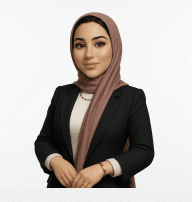
A content writer and researcher with 6 years of experience in scientific and academic fields. She creates clear, accessible academic content in Arabic and has extensive experience in IELTS preparation. She currently works with GoIELTS to develop in-depth educational content that helps students improve their skills across all sections of the test.
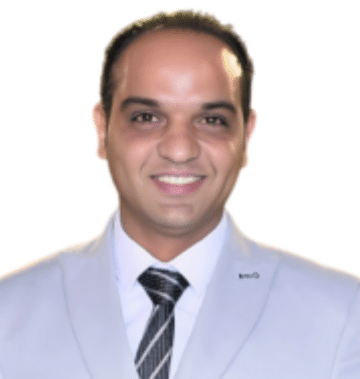
An educational content specialist with extensive experience in IELTS preparation. He creates in-depth learning content to help students perform strongly across all sections of the test and contributes to developing strategies that strengthen students’ skills and improve their chances of achieving higher band scores.
Our Editorial Mission — Merit-Based Content, Not Commercial Interests
Our editorial mission is straightforward: we publish accurate, fully independent content because it serves the reader — not because a third party pays for it. Commercial relationships, advertising partnerships, and outside interests do not influence our editorial decisions. Those decisions remain solely with our editorial team.
Accuracy and Source-Verification Standards
Every piece of information you read on GoIELTS goes through a verification process before it reaches you.
Official Sources Are Our Required Reference
We do not accept information based on unreliable or unofficial sources. For government scholarship requirements, our articles rely on official sources such as the Saudi Ministry of Education, the Safeer portal, and the official pages of approved programs. For IELTS-related information, our primary sources are the official British Council and IDP websites.
When reliable information is not available from official sources, we state that clearly instead of guessing or presenting assumptions as facts.
Pre-Publication Review Process
No article is published immediately after it is written. Every article goes through an editorial review that checks the accuracy of figures, dates, and requirements, followed by a language and style review to ensure clarity and readability.
Regular Review Schedule
Scholarship and test requirements change, so we follow a clear periodic review schedule:
| Content Type | Review Cycle |
|---|---|
| Scholarship requirements articles (KASP / SACM) | Every 3 months or whenever an official change is announced |
| Band score and assessment-criteria articles | Whenever British Council or IDP publishes an official update |
| Test-strategy articles | Every 6 months |
| Each article displays a “Last Reviewed” date at the top of the page | — |
Corrections and Updates Policy
Errors are an unavoidable part of editorial work. What matters is how we handle them.
Typographical Corrections
Spelling and typographical errors that do not affect the meaning or factual accuracy are corrected silently, without a notice. This type of correction is part of routine content maintenance.
Transparent Corrections of Material Errors
If we discover that a material fact in one of our articles is inaccurate — whether because requirements changed or the original source contained an error — we correct it transparently.
| Error Type | How We Correct It |
|---|---|
| Typographical or spelling error | Silent correction without a notice |
| Error in a number or date | Correction with an “Updated” note and the date |
| Material factual error | Correction with an explanation of the error and why it was corrected |
| Official requirements changed | Full update with a reference to the new official source |
Writing Ethics and Academic Integrity
Integrity is not optional at GoIELTS. It is a core requirement for everyone involved in producing our content.
Disclosure of Conflicts of Interest
If a writer or reviewer has a relationship with an organization they are writing about — whether a commercial partnership, a paid personal experience, or an institutional relationship — they must disclose it before work begins. We do not accept content influenced by an undisclosed interest.
Originality and Intellectual Property
All articles published on GoIELTS are original works. We do not accept copied content or content repackaged from other sources without clear attribution. Direct quotations from official sources are permitted when they are clearly and accurately attributed.
Separation of Editorial and Advertising Content
What you read in our educational articles is separate from what appears in advertising spaces. That separation is non-negotiable.
How We Label Paid Content
Any content published under a commercial arrangement or sponsored by an outside organization will be clearly labeled in direct, unambiguous language. You will not find advertising presented as independent editorial content on our site.
Related Pages
This policy is part of a broader set of policies governing our relationship with you as a user:
A Final Word
Our editorial policy is not a document written simply to make us look professional. It is the framework that guides our work every day. We publish it because, as a student, you deserve to know exactly where the information behind important decisions in your life comes from.
If you ever notice content that falls short of these standards, contact us at support@goielts.ai or through our Contact Us page. Holding us accountable helps us improve.