
Article Summary
- Poland may be an option for Saudi scholarship applicants, but university and subject eligibility must be confirmed through the relevant sponsor and official directory.
- Saudi students planning a study stay of more than 90 days generally need a Type D national visa, unless another lawful residence basis applies.
- IELTS Academic is accepted by many English-taught programmes; indicative scores vary by university and subject, and visa language evidence must also meet the applicable B2 requirement.
- Medical programmes may require additional entrance tests or interviews and typically involve higher tuition costs.
- Verify scholarship eligibility first, then language and admission requirements, obtain the necessary approval and prepare the visa application.
Poland is an attractive European study destination for Saudi students because of its universities and relatively affordable tuition and living costs compared with many Western European countries.
Before choosing a university or subject, however, you need to understand scholarship eligibility, academic admission, language requirements, visa procedures and the recognition of your intended qualification.
This guide explains the key steps for Saudi students planning to study in Poland, whether through a government scholarship or at their own expense.
Is Poland an approved destination for Saudi scholarships?
Poland has universities that may qualify for Saudi scholarship programmes, but neither every Polish institution nor every subject is automatically eligible. If you plan to apply for government sponsorship, check the relevant institution and programme through Safeer, the Ministry’s recommended universities directory and the sponsoring authority.
Poland offers several attractions for international students:
- Recognised universities offering programmes taught in English.
- Participation in the Bologna Process, which supports comparability of qualifications across European higher education systems. Recognition of an individual qualification remains subject to the applicable rules.
- Relatively affordable study and living costs compared with destinations such as the UK and Ireland.
- A wide range of disciplines, including medicine, engineering, computer science and business.
University admission does not automatically qualify you for a scholarship. You must also meet the requirements of the Custodian of the Two Holy Mosques Scholarship Programme or the particular government scheme you are applying to.
Admission and scholarship requirements for Saudi students in Poland
Admission requirements vary by institution, field and academic level. Prepare for three separate sets of requirements: academic admission, government scholarship eligibility (if applicable) and proficiency in the language of instruction.
1. Academic requirements
Polish universities generally ask for qualifications appropriate to the intended level of study, including:
- A secondary-school certificate for undergraduate programmes.
- A bachelor’s degree for master’s programmes.
- A master’s degree for doctoral study, where required.
- Academic transcripts.
- Certified translations where required.
- A valid passport.
Some programmes, particularly postgraduate programmes, may also require a motivation letter, CV or references. Applicants should check whether recognition or verification of previous qualifications is required; for first-degree study, the Polish consular guidance includes NAWA recognition documentation from July 2025, subject to the applicable rules.
2. Requirements for government-funded scholarships to Poland
An offer from a Polish university does not establish entitlement to a Saudi scholarship. In addition to university requirements, applicants may need to:
- Choose an institution and field eligible under the programme.
- Meet the criteria for the specific scholarship track.
- Comply with the conditions announced by the sponsoring authority for the relevant application cycle.
- Submit the required documents before the deadline.
Check both the university and the Saudi Ministry of Education or other sponsoring organisation. Read our guide to Saudi overseas scholarship programmes for an overview of the different routes.
3. English language requirements
For an English-taught programme, you will need evidence of English proficiency acceptable to the institution. IELTS Academic is a widely recognised qualification. Indicative IELTS bands range from 5.5 to 7.0, with examples such as:
- Business, engineering and some undergraduate programmes: 5.5 or 6.0.
- Many master’s programmes: 6.0 or 6.5.
- Medicine, health sciences and other competitive programmes: 6.5 or higher.
These are illustrative planning ranges, not confirmed universal entry requirements. Check the precise score, any minimum skill scores and accepted certificate on your programme’s official admissions page. Separately, the Polish Embassy in Saudi Arabia lists proof of proficiency in the language of study at CEFR B2 or higher among its study visa documents. An institution’s acceptance of an IELTS result does not by itself establish visa eligibility.
See our IELTS score requirements for Saudi scholarships and IELTS preparation guide to plan your target score.
How to prepare for the IELTS score required to study in Poland
Start by assessing your current English level. Identifying the gap between your ability and the university’s target score lets you focus on skills that need improvement rather than studying without a plan.
Try the free IELTS mock test on GoIELTS to practise in a test-style environment and estimate your current performance. Practice scores are not official IELTS scores. Then follow our guide to studying for IELTS to structure your preparation.
Poland student visa requirements for Saudi citizens
Saudi students planning a study stay exceeding 90 days generally need to apply for a Polish national student visa (Type D national visa) before travel unless another lawful basis of stay applies.
Any changes to short-stay Schengen visa arrangements do not automatically authorise long-term residence for university study. Check the requirements applicable to your nationality, residence and intended programme.
Related reading: studying in Sweden on a scholarship.
What is the difference between a Polish student visa and a Schengen visa?
Poland is part of the Schengen Area, but the purpose and permitted duration of these visa types differ.
| National student visa (D) | Short-stay Schengen visa (C) |
|---|---|
| For long-term stays in Poland, including eligible study. | For short visits, including tourism and other permitted short-stay purposes. |
| May be valid for up to one year. Students continuing their studies may need a temporary residence permit before their legal stay expires. | Normally permits up to 90 days in any 180-day period. |
| Requires evidence of the study purpose and relevant eligibility. | Does not authorise a long-term university study stay on its own. |
What documents are required for a Polish student visa?
The exact checklist depends on the consular office and the applicant’s circumstances. The Polish Embassy in Saudi Arabia currently lists the following categories of documentation for national visas and study-specific applications:
- A completed, signed application form and recent photographs meeting the requirements.
- A valid passport and the required identity and residence documents.
- University confirmation of admission or continued study and evidence of tuition payment as applicable.
- Evidence of funds for living expenses and return travel, and proof of accommodation.
- Appropriate medical insurance meeting the embassy’s coverage requirements.
- Previous educational qualifications and any required recognition documentation. For applicable first-degree applicants, this includes NAWA confirmation of eligibility for higher education.
- Evidence of proficiency in the language of instruction at B2 or higher, with the acceptable certificate confirmed with the university.
- Other supporting documents required by the consular office.
Check the current Polish Embassy national visa instructions, arrange an appointment through its official booking system, and prepare the supporting documents before applying. The embassy may request further evidence. If you need to continue studying after your visa expires, consult the official guidance on visas and residence permits rather than assuming that the visa can simply be renewed in Poland.
Also read our guide to Saudi scholarships in Malaysia.
Polish universities to consider for Saudi scholarships
Poland has internationally recognised institutions across a range of disciplines. The following seven universities are examples to research; their inclusion here does not establish Saudi scholarship approval for every degree or subject.
1. University of Warsaw
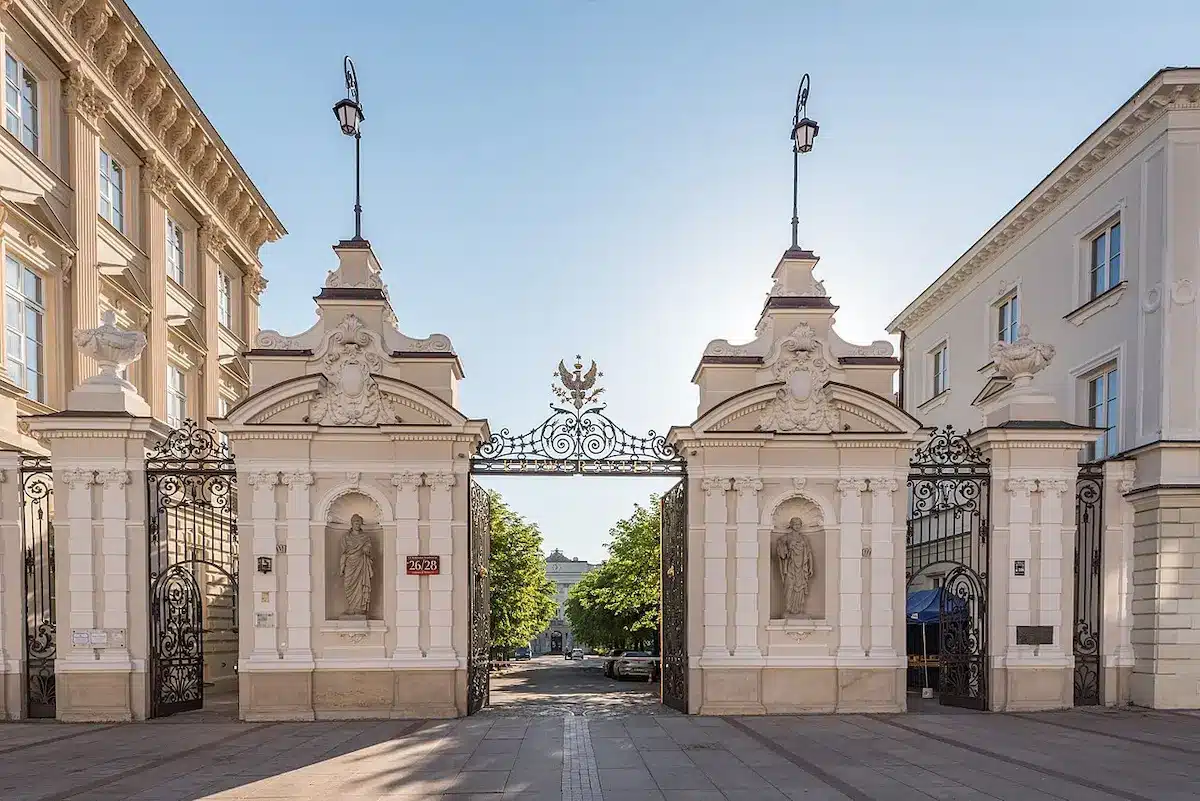
One of Poland’s largest universities, with strengths in humanities, social sciences and natural sciences.
2. Jagiellonian University
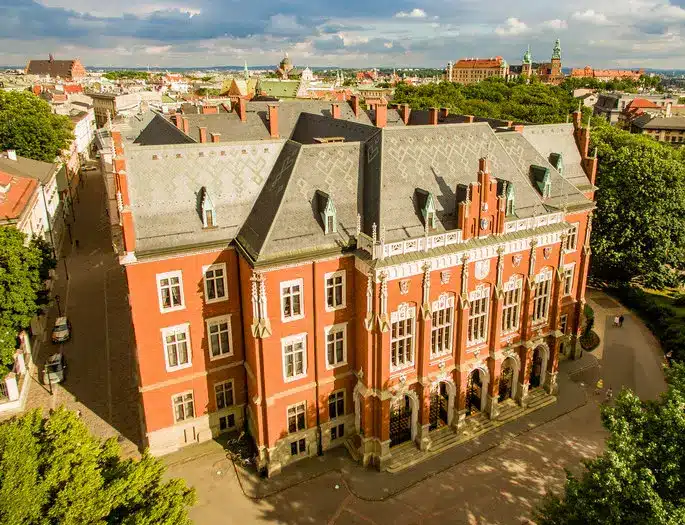
Based in Kraków, it is one of Europe’s oldest universities and is known for medicine, science and humanities.
3. Warsaw University of Technology
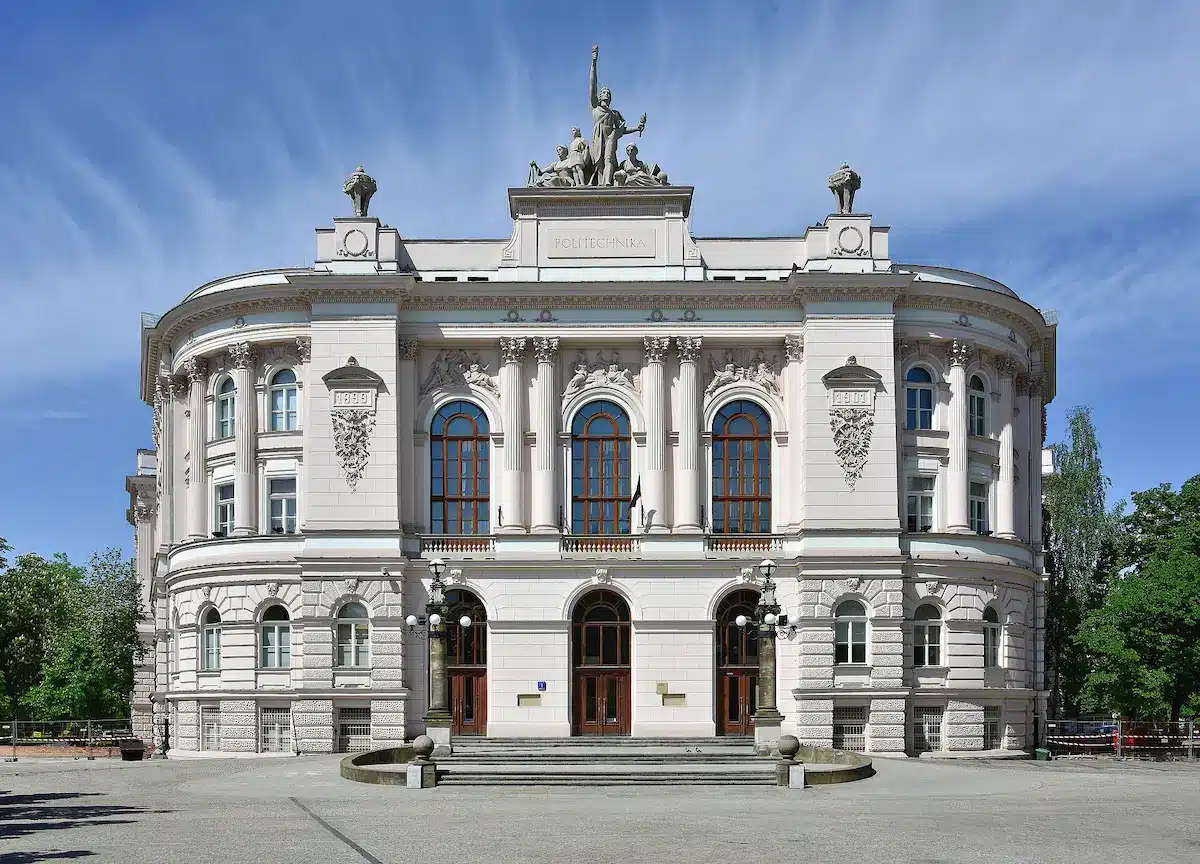
A prominent technical university offering engineering and technology programmes.
4. AGH University of Krakow (formerly AGH University of Science and Technology)

Known for engineering, applied sciences, mining and energy technology.
5. Medical University of Warsaw
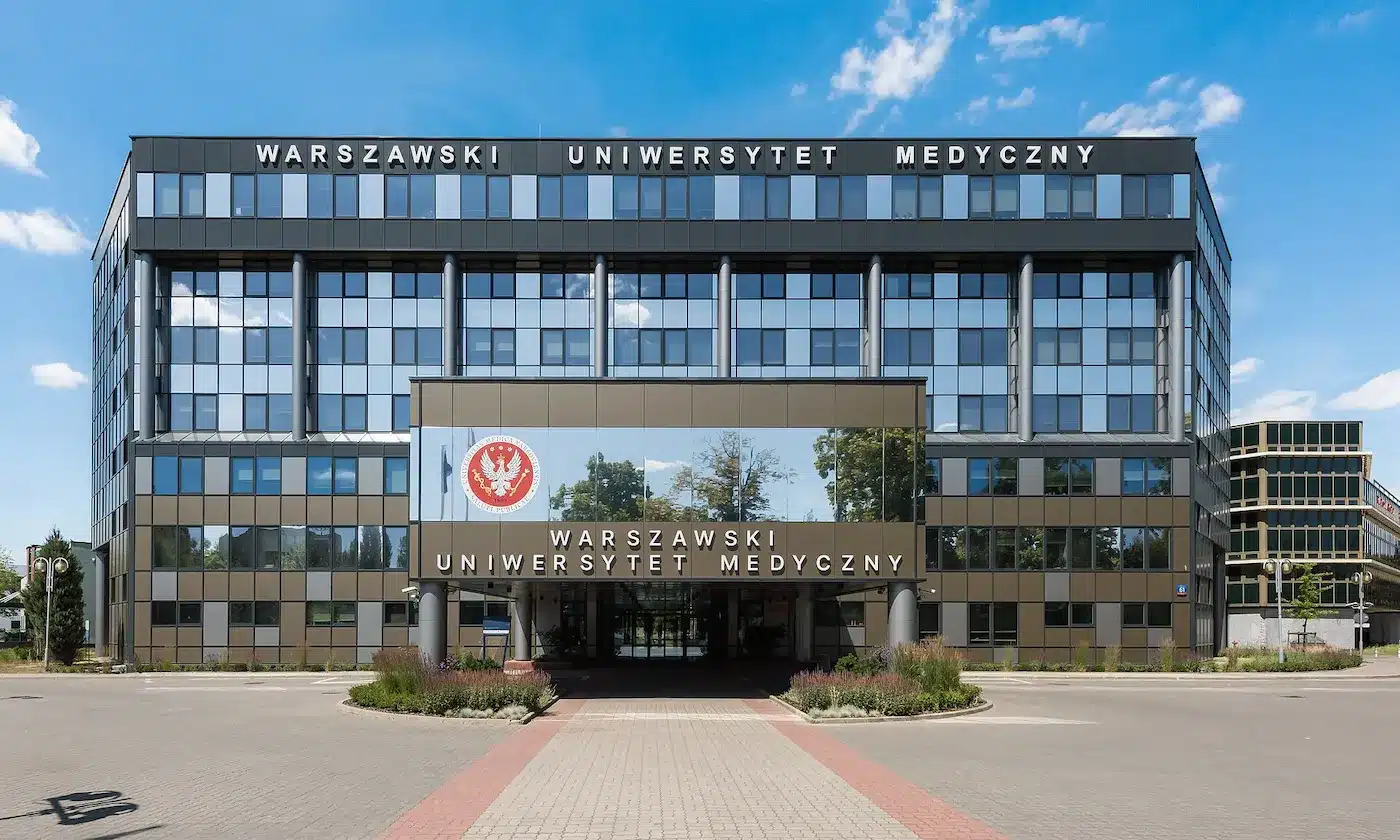
A major Polish institution specialising in medicine and health sciences.
6. Wrocław University of Science and Technology
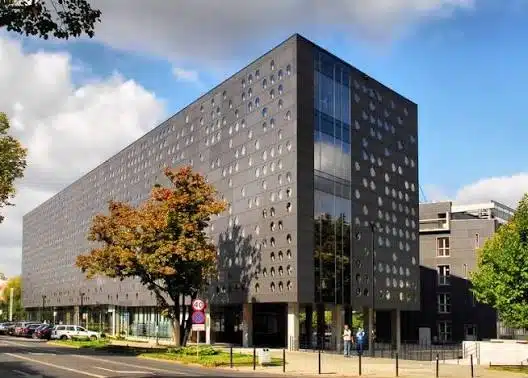
Offers programmes in engineering, innovation and scientific research.
7. Poznan University of Medical Sciences
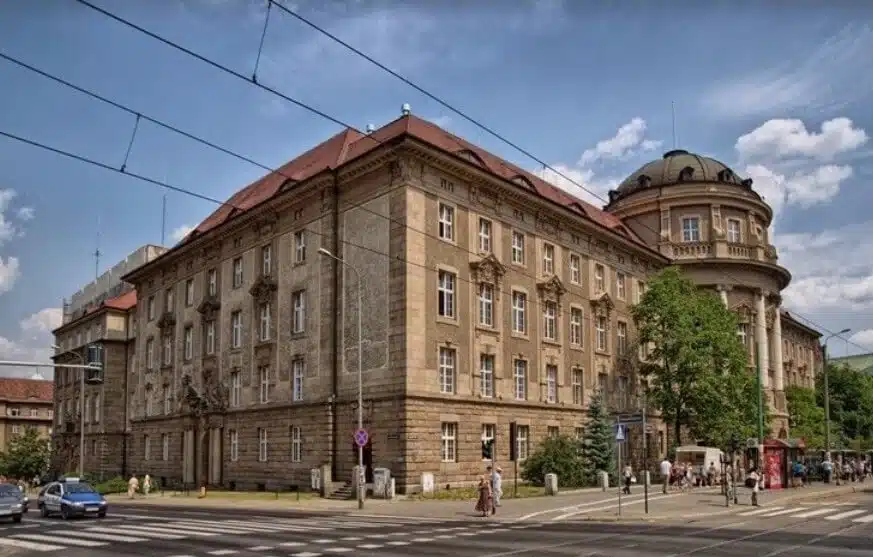
A destination for international students interested in English-taught medicine and dentistry.
Important: academic recognition is not the same as eligibility for a specific scholarship track. Check the university, qualification and subject in the Safeer recommended universities directory and the sponsoring authority’s current programme rules.
For further guidance, see our recommended scholarship universities guide for Saudi students.
Popular fields of study in Poland for Saudi students
Polish universities offer a wide range of programmes that may interest international students, including:
- Medicine and health sciences: medicine, dentistry, pharmacy, nursing and physiotherapy, with practical training in university hospitals where applicable.
- Engineering: civil, mechanical, electrical, industrial and energy engineering.
- Computer science and IT: software engineering, data science, artificial intelligence and cybersecurity.
- Business and economics: business administration, finance, accounting, marketing, entrepreneurship, supply chain management and logistics.
- Applied and natural sciences: chemistry, biology, physics, mathematics and environmental science, including research-oriented routes.
Verify that your chosen subject and university meet your sponsor’s conditions, because approved disciplines vary by programme and application cycle.
What about studying medicine in Poland?
Poland is a destination for international medical students, and several universities offer medical programmes in English. Admission may be more competitive than for other disciplines.
Beyond academic qualifications and language evidence, some medical schools may require:
- An entrance examination covering subjects such as biology, chemistry or physics.
- An interview.
- Other institution-specific assessments.
Check the medical school’s own admissions page rather than assuming that requirements are identical across universities. English-taught medical programmes are also often among the most expensive, so include their actual fees in your budget. Verify professional recognition and the sponsor’s eligibility rules before committing to a course.
Read our health specialties scholarship guide.
Studying in English or Polish: which is better for Saudi students?
Your language of instruction affects admission, tuition, study duration and potential opportunities after graduation. Compare the two routes carefully.
Studying in English
English-taught programmes may suit students who want to begin academic study without first learning Polish.
- Programmes are available in areas such as medicine, engineering, business and computer science.
- You may begin directly once all admission and visa conditions are met.
- A recognised English qualification such as IELTS Academic can demonstrate language proficiency.
- International programmes bring together students from different backgrounds.
English-taught programmes may cost more than comparable Polish-taught programmes.
Studying in Polish
If you already speak Polish or are willing to learn it, Polish-taught programmes may suit your plans.
- Some programmes charge lower tuition than English-taught alternatives.
- Public institutions may offer subsidised or tuition-free study to eligible students under the applicable legal conditions; Saudi citizenship alone does not establish fee exemption.
- Polish language ability can help with daily life and employment.
Some international students need a preparatory language course before academic study, which can increase the total duration and cost.
How to choose your language of study
| If you… | Option to consider |
|---|---|
| Want to start academic study directly | English-taught study if you meet the admission requirements |
| Already have good English proficiency | English-taught study |
| Want to reduce tuition and are willing to learn a new language | Compare Polish-taught options and check your fee status |
| Plan to study medicine | English-taught medical programmes may be more accessible for students who do not speak Polish |
Your choice is about more than language: it determines the preparation time, costs and certificates you may need before travel. Compare the options available at your intended university.
For English preparation, see our IELTS course guide.
Tuition fees and living costs in Poland for Saudi students
Poland can offer comparatively affordable higher education and living costs, although actual expenses vary substantially by programme and city.
1. Tuition fees
As broad planning estimates, some English-taught undergraduate and master’s programmes may cost €2,000–€6,000 annually, with MBA courses potentially costing more. Medical, dental and pharmacy programmes may cost €12,000–€15,000 annually or more, depending on the institution and course.
These figures are not verified current fee schedules or a national average. The official Polish tuition guidance explains that institutions set individual programme fees, and eligibility for free or subsidised study depends on legal status and study format. Check the university’s current fees, payment schedule and refund policy directly before applying.
2. Living expenses
The official Study in Poland living-cost guide indicates that monthly student expenses can start from approximately PLN 1,500. Actual spending depends on accommodation, location and lifestyle; major cities such as Warsaw and Kraków may be more expensive. The PLN 1,500–2,000 monthly estimate and breakdown below should be treated as a low-budget illustration, not a guaranteed current average.
| Expense | Illustrative monthly cost (PLN) |
|---|---|
| University accommodation | 400–600 |
| Transport | 50–60 |
| Health insurance | 40–60 |
| Phone and internet | 80–100 |
| Food and groceries | 700–900 |
| Entertainment and personal expenses | 150–200 |
Government scholarship coverage depends on your sponsor’s financial rules and allowances. If you are self-funded, prepare an annual budget covering tuition, accommodation, living costs, insurance, travel and contingencies. Confirm actual charges with the university and housing provider. Visa financial requirements are separate from these illustrative living-cost figures.
Read our self-funded study abroad guide for Saudi students.
How to apply for a scholarship to study in Poland: step by step
Start by checking scholarship eligibility and institutional recognition, rather than applying to a university without checking the conditions of your intended route.
| Step | Action | Where to check |
|---|---|---|
| 1 | Confirm the university and subject are eligible if you intend to apply for government sponsorship. | Safeer recommended universities or your sponsor |
| 2 | Choose a programme and review academic and language requirements. | Official university websites |
| 3 | Obtain the required language certificate, such as IELTS Academic, where applicable. | Authorised IELTS test centres and university requirements |
| 4 | Prepare certificates, transcripts, passport, translations and any required qualification recognition. | Universities and relevant recognition authorities |
| 5 | Apply to suitable universities and await their admission decisions. | University admissions offices |
| 6 | Once admitted, complete the applicable sponsorship or self-funded approval process. | Saudi Ministry of Education or sponsoring authority |
| 7 | Prepare the student visa documents, including admission, finances, insurance and required language evidence. | Polish Embassy in Saudi Arabia |
| 8 | Apply for the Type D visa and prepare to travel after approval. | Appropriate Polish consular office |
Related reading: Saudi Cultural Scholarship Programme.
How to avoid rejection or delays when applying to study in Poland
Even with university admission, incomplete documentation or outdated information can delay or prevent approval. These five steps can reduce avoidable risks.
1. Verify the institution and subject
Before paying fees or submitting an application, check that your university and subject meet your sponsor’s current rules.
2. Use official sources
Consult the university website, Polish consular authorities, Saudi Ministry of Education or scholarship provider, and the recommended universities directory. Avoid treating social-media posts or forums as definitive evidence.
3. Do not postpone the IELTS test
If your programme requires IELTS Academic, book early enough to obtain your result before the relevant deadlines, allowing additional time if you need further preparation.
4. Prepare every required document
Check the current university and embassy checklists. These may include academic records, a passport, certified translations, medical insurance, proof of sufficient funds or appropriate sponsor documentation, and qualification recognition and language documents. Missing paperwork may delay admission or visa processing.
5. Start visa planning early
Do not wait until the last weeks before your studies begin. Allow several months for admissions, sponsorship and documentation. Check consular appointment availability and the applicable booking window. Review the tuition refund conditions before paying, since visa approval is not guaranteed.
See our Elite Scholarship Programme guide for another Saudi study route.
Final thoughts
Poland may suit Saudi students looking for European higher education at comparatively affordable costs, but a successful application depends on planning, not just choosing a university.
Check institutional and subject eligibility first, then the admission and language requirements. Prepare documents early and allow adequate time for the visa process. If your university requires IELTS Academic, assess your current level and create a preparation plan around its exact score requirement.
Frequently Asked Questions
Short-stay Schengen arrangements do not automatically authorise long-term study. Saudi students planning to study in Poland for more than 90 days generally need a national Type D study visa unless another legal basis applies. Check the Polish Embassy's current national visa instructions before applying.
There is no single bank balance applicable to every student. The consular office requires evidence of adequate funds for living costs, return travel and other relevant expenses, alongside tuition and accommodation evidence as applicable. Government-sponsored applicants should confirm the acceptable form of sponsorship evidence with the embassy; a financial guarantee does not automatically replace all required documents. Check the latest official study visa checklist rather than relying on old figures.
There is no universal IELTS score across all universities. An indicative range for English-taught programmes is IELTS Academic 5.5–7.0, with some medical or postgraduate programmes requiring higher scores. Check your university's exact requirements and separately confirm the B2 language evidence required for the study visa.
Eligibility depends on the scholarship programme, application cycle, institution and medical degree. Check the current sponsoring authority's rules and the recommended universities directory before applying. Do not assume that international recognition of a medical school establishes eligibility for sponsorship or professional licensing.
The full process can take several months; allow six to ten months as a planning estimate, not an official timetable. University admission may take several weeks and sponsorship timelines vary. The Polish Embassy in Saudi Arabia states that the visa decision normally takes 15 calendar days after submission and may be extended to 30 days. Appointment availability and additional document requests can extend the overall process. Start preparations well in advance.
Eligible full-time students holding a Polish study visa or a temporary residence permit for studies can generally work without a separate work permit. Check the Polish Office for Foreigners guidance and any applicable scholarship conditions before accepting employment. Study should remain the main purpose of your stay; do not rely on part-time work as your primary funding source.
Advantages include recognised universities, many English-taught programmes in medicine, engineering and computer science, relatively affordable costs compared with many Western European destinations, and a European academic and research environment. Challenges may include the need for basic Polish in daily life, higher costs in major cities, a different climate and academic system, and the need to meet visa and recognition requirements. Careful university selection and budgeting can help.
Related Posts

About the content team at GoIELTS
GoIELTS produces specialist IELTS content written by experienced educational writers.
We follow rigorous editorial standards — Read our editorial policy


GoIELTS is an independent training platform specializing in IELTS preparation and is not affiliated with any official organization that owns or administers the IELTS test. The content is provided for educational and informational purposes only and reflects our team’s experience and the latest information available at the time of publication. Information may change without notice. Any use of the information is at the reader’s own responsibility, and results vary depending on each learner’s level and effort. For the latest official requirements, we recommend checking the official IELTS website and the relevant scholarship or sponsoring authority. — Full Disclaimer